
Lighten the Mood: Hilarious Work Meeting Jokes
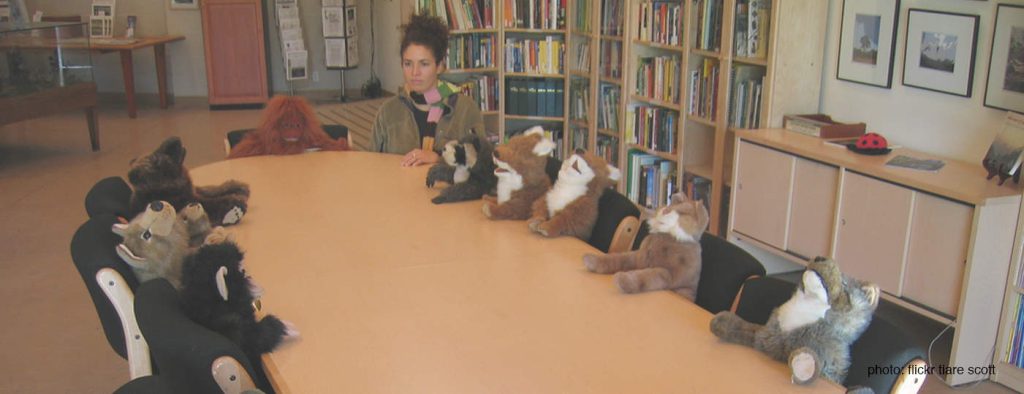
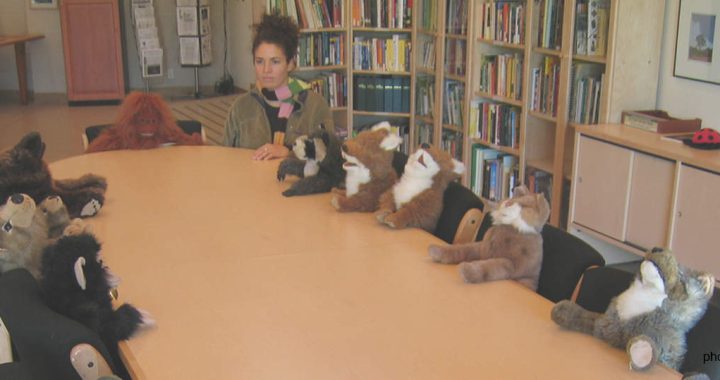
In the hustle and bustle of the corporate world, meetings are an inevitable part of the workday. While meetings can be productive and necessary, they often have a reputation for being dull or even dreaded. Adding a touch of humor can transform a mundane meeting into a memorable one. Here are some hilarious work meeting jokes to lighten the mood and keep your team engaged.
Humor isn’t just for entertainment; it has practical benefits in the workplace. Laughter can reduce stress, improve team dynamics, and increase overall job satisfaction. When team members share a laugh, it breaks down barriers and fosters a sense of camaraderie. Humor can also enhance creativity, making it easier to solve problems and generate new ideas.
Laughter triggers the release of endorphins, the body’s natural feel-good chemicals. These endorphins promote an overall sense of well-being and can even temporarily relieve pain. In the context of a meeting, laughter can serve as a quick stress reliever, allowing participants to relax and refocus. When employees feel less stressed, they are more inclined to participate actively and contribute creatively.
Humor can play a crucial role in team bonding. When people laugh together, it creates a shared experience that strengthens interpersonal connections. This enhanced team dynamic can lead to improved collaboration as team members are more likely to communicate openly and support each other. Additionally, humor can help diffuse tension in challenging situations, promoting a more harmonious work environment.
A humorous environment encourages open-mindedness and a willingness to experiment, both of which are essential for creativity. When people are not afraid to think outside the box or make mistakes, they are more likely to come up with innovative solutions. Humor can stimulate the brain and foster a mindset that is receptive to new ideas, ultimately leading to more effective problem-solving during meetings.
Sometimes, a well-timed joke is all it takes to set the right tone for a meeting. Here are some classic work jokes that are sure to get a chuckle:
Why did the accountant break up with the calculator? Because it couldn’t handle its problems!
Accountants are known for their precision and attention to detail. This joke plays on the idea of a calculator, a tool that should be dependable and problem-free, failing to meet expectations. By personifying the calculator, the joke adds a layer of humor that makes the punchline more relatable to anyone who’s ever relied on technology.
Why do programmers prefer dark mode? Because light attracts bugs!
In the world of IT, bugs are the bane of a programmer’s existence. This joke cleverly uses the double meaning of “bugs” to play on the preference for dark mode. The punchline is a nod to the ongoing battle against software errors, making it a favorite among tech-savvy audiences who understand the struggles of coding.
I told my boss that three companies were after me, and I needed a raise to stay. He asked which companies. I said, “The electric company, the gas company, and the water company!”
This joke highlights the financial pressures many employees face, wrapped in a humorous exchange. It resonates with anyone who’s ever felt the pinch of monthly bills, using a light-hearted approach to discuss a serious topic. The clever wordplay and relatable scenario make it a perfect icebreaker in any meeting.
Meetings often reflect the quirks and realities of workplace life. Here are some jokes that play on common meeting scenarios:
Why don’t we ever tell secrets in a meeting? Because they might leak out during the minutes!
Meetings can sometimes feel endless, with discussions dragging on longer than necessary. This joke humorously suggests that meeting minutes are so comprehensive that even secrets could inadvertently be included. It pokes fun at the exhaustive nature of meeting documentation, resonating with anyone who’s ever sat through a lengthy meeting.
Why was the conference call always late? Because it had to dial in from the 90s!
Conference calls have a notorious reputation for technical difficulties and delays. This joke humorously suggests that the call itself is outdated, poking fun at the sometimes archaic feeling of using older technology. It’s a playful jab at the frustrations of modern communication, making it relatable to anyone who has experienced a frustrating conference call.
Why did the presenter bring a ladder to the meeting? To reach the high points!
Presentations are an integral part of many meetings, but not all presenters come fully prepared. This joke uses a literal interpretation of “high points,” suggesting that the presenter needs physical assistance to highlight key aspects of their presentation. It’s a light-hearted way to acknowledge the challenges of delivering an effective presentation, resonating with both presenters and their audiences.
While humor is a great way to improve meetings, it’s important to know your audience. What works for one group might not work for another. Be mindful of your colleagues’ sensibilities and ensure that your jokes are appropriate for the workplace. The goal is to include everyone and make them feel comfortable, not to exclude or offend anyone.
Different cultures have varying perceptions of humor, and what might be funny to one person could be offensive to another. It’s crucial to consider the diverse backgrounds of your colleagues when selecting jokes. Avoid humor that could be misinterpreted or seen as insensitive. Instead, opt for universally relatable topics that are more likely to be appreciated by everyone.
Certain professional settings may have specific norms or expectations regarding humor. For instance, a joke that might be acceptable in a casual startup environment may not be appropriate in a more formal corporate setting. Understanding the context of your workplace and the personalities of your colleagues can help you tailor your humor effectively, ensuring it enhances rather than detracts from the meeting.
Inclusive humor is about creating a sense of belonging and making everyone feel part of the group. This means avoiding jokes that rely on stereotypes or target specific individuals. Instead, focus on humor that celebrates shared experiences or common challenges, fostering a sense of unity and camaraderie among team members.
Interactive jokes can make meetings more engaging by involving participants. Here are some examples:
If you’re in a meeting with multiple departments, try this: “I have a great joke about construction, but I’m still working on it.” Then, ask the project manager to give a timeline for when it might be finished.
Role-playing scenarios can inject a sense of fun into meetings by involving team members directly. This joke allows the project manager to play along by providing a humorous “project timeline.” Such interactions can break down hierarchical barriers, encouraging a more collaborative and relaxed atmosphere.
Start the meeting with a fun question, like: “If you could work from anywhere, what would be your dream location?” After everyone shares their answers, hit them with: “Well, I’m just glad we’re all here in this beautiful conference room!”
This approach combines humor with a lighthearted activity that encourages participation. By prompting team members to share their dream locations, you create an opportunity for personal connection. The punchline reminds everyone of the reality of the meeting setting, adding a humorous twist that keeps the mood upbeat.
Create a quick quiz with humorous questions related to your company’s culture or industry. Reward the winning team with a small prize or bragging rights.
Interactive quizzes can energize a meeting by introducing a competitive element. By incorporating humorous questions, you ensure that the quiz remains lighthearted and enjoyable. Offering a small reward adds motivation, encouraging team members to engage actively and work together for the win.
Creating a lighthearted atmosphere doesn’t just make meetings more enjoyable; it can actually improve productivity. When employees are relaxed and engaged, they’re more likely to contribute and collaborate effectively. A positive environment can also reduce burnout and improve overall morale.
When meetings are enjoyable, employees are more likely to be attentive and engaged. Humor can capture attention and make content more memorable, leading to more effective communication. Engaged employees are also more likely to participate actively, sharing ideas and feedback that can drive the meeting’s objectives forward.
Workplace stress and burnout are significant concerns in today’s fast-paced work environments. A lighthearted atmosphere can serve as a buffer against these pressures, providing employees with a mental break and a chance to recharge. By incorporating humor, you create an environment where employees feel valued and supported, reducing the risk of burnout.
A culture that embraces humor is often more positive and resilient. Employees who enjoy their work environment are more likely to stay committed and loyal to the organization. Humor fosters a sense of belonging and satisfaction, contributing to a workplace culture that attracts and retains top talent.
With remote work becoming more common, virtual meetings have become the norm. Humor can bridge the physical gap and bring teams closer together, even from afar. Here are some tips for incorporating humor into virtual meetings:
Encourage team members to choose funny or themed virtual backgrounds. This can set a playful tone and spark conversations.
Virtual backgrounds offer a unique opportunity to infuse humor into meetings. Whether it’s a tropical beach scene or a quirky design, backgrounds can reflect personality and prompt lighthearted discussions. This visual element helps participants connect on a personal level, adding a layer of fun to the meeting.
Host themed dress-up days where everyone dresses according to a specific theme. Whether it’s Hawaiian shirts or superhero costumes, it’s sure to bring smiles to the screen.
Dress-up days create a sense of excitement and anticipation, breaking the monotony of routine meetings. The themes can be tailored to fit your team’s interests, encouraging creativity and participation. Such activities build camaraderie and make virtual meetings feel more interactive and engaging.
Start the meeting with a virtual icebreaker, such as sharing a funny meme or a quick joke. This can help ease any initial awkwardness and get everyone in a good mood.
Virtual icebreakers are an effective way to warm up the room and create a relaxed atmosphere. Sharing a meme or joke that resonates with the team sets a positive tone and encourages interaction. These quick activities help dissolve the distance between remote participants, fostering a sense of team unity.
Adding humor to work meetings doesn’t just lighten the mood; it enhances the overall work experience. From classic jokes to interactive activities, there are countless ways to bring laughter into the workplace. By incorporating humor, you create a more enjoyable and productive environment for everyone involved. So next time you’re planning a meeting, don’t forget to include a few jokes to keep things lively and engaging. Laughter truly is the best medicine — and it might just be the key to a successful meeting.




 Movierulz 2026: Risks, Reality, and Safer Alternatives
  Exploring Movierulz 2024: Safe Download Tips
  Winning Cashpot Prediction Tips to Upgrade Your Lottery Selection
  Cash Pot Draw: Meaning, Rules, and Winning Strategies
  Bappam Telugu Movies: Download and Everything About it in 2025
  Is Thalamovies .com Safe? A Complete Guide for Movie Lovers
  Top Networking Events in Atlanta 2023
  Lighten the Mood: Hilarious Work Meeting Jokes